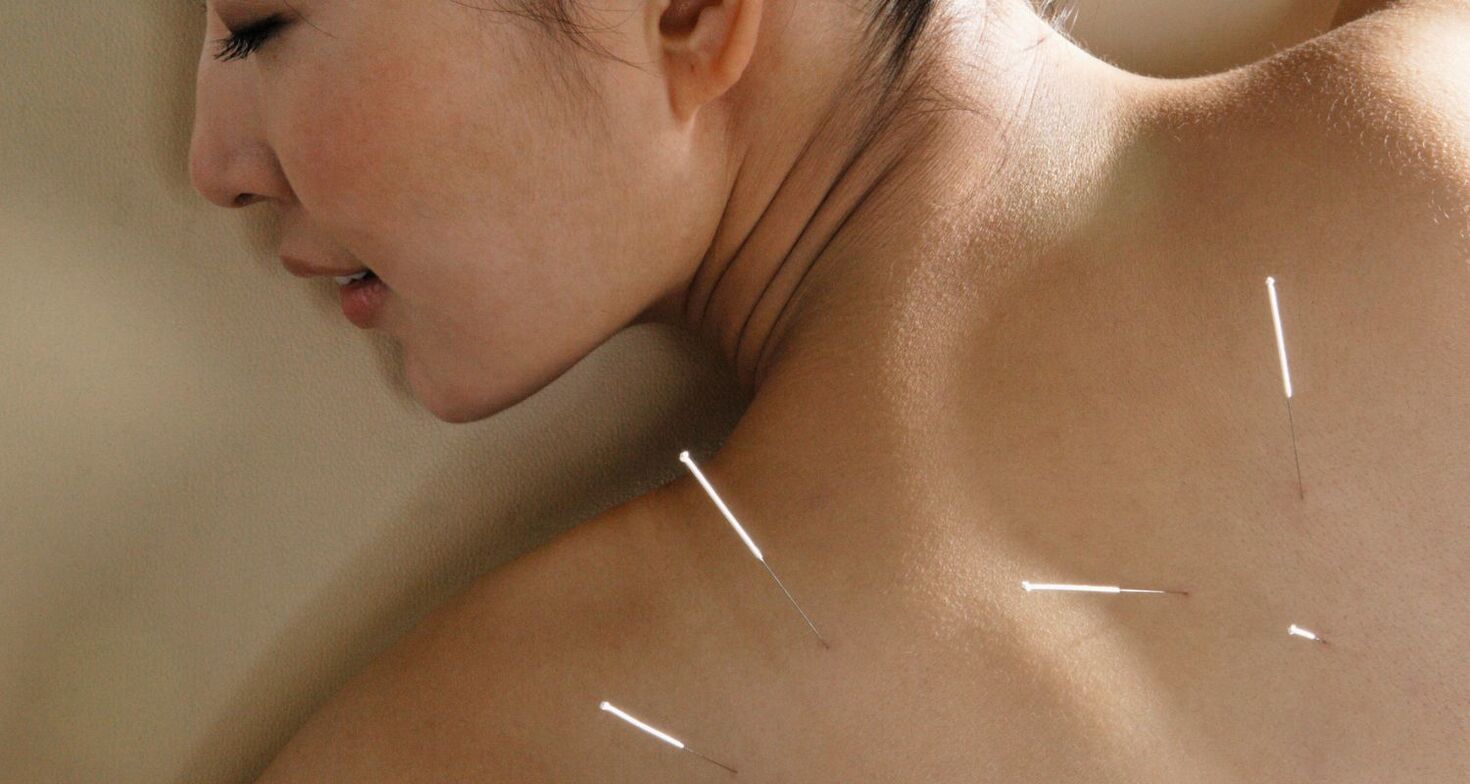
Acupuncture has been used for thousands of years, yet it’s still one of the most commonly misunderstood therapies. If you’ve ever asked yourself does acupuncture work, how does acupuncture work, or does acupuncture hurt, you’re not alone.
Today, acupuncture is widely used to help with pain relief, muscle tension, stress, and nervous system regulation — often alongside chiropractic care. In this guide, we’ll break down what acupuncture does, who it can help, and why so many people turn to acupuncture for back pain, neck pain, sciatica, anxiety, and muscle tension.
How Does Acupuncture Work?
Acupuncture works by stimulating specific points on the body using very thin, sterile needles. These points are chosen based on your symptoms, movement patterns, and nervous system response.
From a modern perspective, acupuncture:
-
Stimulates the nervous system
-
Encourages blood flow to injured or tight tissues
-
Helps regulate pain signals
-
Promotes muscle relaxation
-
Supports the body’s natural healing response
From a traditional perspective, acupuncture focuses on restoring balance and proper energy flow throughout the body. While the explanations differ, the goal is the same: reduce pain, improve function, and support overall wellness.
What Does Acupuncture Do for the Body?
Many people expect acupuncture to only help with pain — but its effects often go beyond that.
Acupuncture may help:
-
Calm an overactive nervous system
-
Reduce muscle guarding and chronic tension
-
Improve circulation and tissue healing
-
Support stress regulation and relaxation
-
Improve sleep quality
-
Enhance recovery from injury
Because the nervous system plays a role in nearly every function of the body, acupuncture can influence both physical and emotional health.
Acupuncture Benefits for Pain and Muscle Tension
One of the most common reasons people seek acupuncture is pain relief — especially when pain has become chronic or hasn’t responded well to other treatments.
Acupuncture for Back Pain
Back pain is one of the most researched and treated conditions with acupuncture. Acupuncture for back pain can help reduce muscle tightness, improve circulation, and decrease pain signaling, making it a valuable option for both acute and chronic cases.
Can Acupuncture Help With Neck Pain?
Yes. Acupuncture is frequently used for neck pain related to posture, stress, repetitive strain, or injury. By relaxing tight muscles and improving nervous system communication, acupuncture may help restore mobility and reduce discomfort.
Shoulder Pain and Muscle Tension
Shoulder pain and muscle tension often develop from overuse, stress, or poor movement patterns. Acupuncture can help relieve muscle tension, reduce trigger points, and support better movement and recovery.
Can Acupuncture Relieve Muscle Tension?
This is one of acupuncture’s strongest benefits. Acupuncture helps calm overactive muscles, increase blood flow, and interrupt pain-tension cycles that keep muscles tight and sore.
Acupuncture for Headaches
Acupuncture is commonly used to help relieve headaches, including tension headaches and migraines. Headaches are often linked to muscle tension, stress, poor posture, or nervous system imbalance — all areas acupuncture is well suited to address.
By stimulating specific points, acupuncture may help reduce muscle tightness in the neck and shoulders, improve circulation, and calm the nervous system. Many patients experience fewer headaches, reduced intensity, and improved overall comfort with regular care.
Acupuncture for Sciatica and Nerve Pain
Sciatica occurs when the sciatic nerve becomes irritated or compressed, leading to pain that may travel down the leg. Acupuncture for sciatica focuses on reducing inflammation, relaxing surrounding muscles, and supporting nerve health.
While acupuncture doesn’t “fix” structural issues on its own, it can be highly effective as part of a comprehensive treatment plan that includes chiropractic care and movement-based therapies.
Acupuncture for Anxiety and Stress
Acupuncture isn’t just about pain — it’s also commonly used to support mental and emotional well-being.
Acupuncture for anxiety works by:
-
Activating the parasympathetic (calming) nervous system
-
Reducing stress hormone output
-
Promoting relaxation and emotional balance
Many patients report feeling calmer, more centered, and better able to handle stress after treatment — often noticing benefits that extend beyond the treatment room.
Does Acupuncture Hurt?
One of the biggest concerns people have is whether acupuncture hurts.
The short answer: most people experience little to no pain.
Acupuncture needles are extremely thin — much thinner than needles used for injections. Sensations are usually described as:
-
A mild pressure
-
A brief pinch
-
Tingling
-
Warmth
-
A deep sense of relaxation
Many patients are surprised by how comfortable the experience is and often feel deeply relaxed during and after treatment.
Dry Needling vs Acupuncture: What’s the Difference?
Dry needling and acupuncture both use thin needles, but they serve different purposes.
Acupuncture
-
Focuses on whole-body balance and healing
-
Uses specific points based on traditional and modern principles
-
Supports pain relief, muscle relaxation, and nervous system regulation
Dry Needling
-
Targets specific muscle trigger points
-
Often focuses on local muscle release
-
Typically used to address tight or overactive muscles
Both approaches can be effective, but acupuncture is generally broader in scope and often integrated into holistic care plans.
Does Acupuncture Work for Everyone?
Like any treatment, results vary from person to person. Factors such as the condition being treated, how long symptoms have been present, lifestyle habits, and consistency of care all play a role.
Many patients notice improvement after a few sessions, while others benefit from ongoing care — especially for chronic pain, stress, or tension-related conditions.
Why Combine Acupuncture With Chiropractic Care?
Acupuncture and chiropractic care complement each other exceptionally well.
-
Chiropractic adjustments address joint function and alignment
-
Acupuncture helps relax muscles and regulate the nervous system
-
Together, they may improve outcomes and speed recovery
This combination allows the body to move better, heal more efficiently, and maintain results longer.
Is Acupuncture Right for You?
If you’re dealing with:
-
Back pain or neck pain
-
Shoulder pain or muscle tension
-
Sciatica or nerve-related discomfort
-
Chronic stress or anxiety
-
Poor sleep or tension-related symptoms
Acupuncture may be a powerful addition to your care plan.
Final Thoughts
So — does acupuncture work?
For many people, yes.
Acupuncture offers a safe, natural, and effective way to reduce pain, relieve muscle tension, calm the nervous system, and support whole-body wellness. Whether used alone or combined with chiropractic care, it remains one of the most versatile tools for supporting both physical and mental health.

.jpg)